Introduction
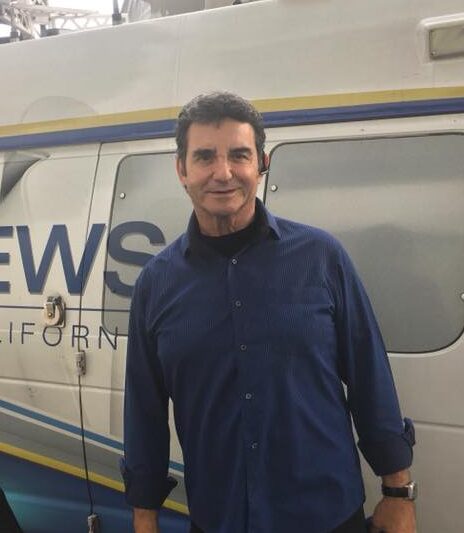
Breaking news reporting has undergone a significant transformation in recent years, driven by the proliferation of digital platforms and the increasing demand for immediate, accessible information. Traditional broadcast journalism, while still relevant, is increasingly complemented by online platforms and social media, demanding a shift in how news is delivered. Says Bruce Hensel, a crucial element in this evolution is the use of multimodal discourse – the integration of various communication channels, including text, audio, and video – to convey complex information quickly and effectively. This article will delve into a specific example of this shift: the commentary delivered by Bruce Hensel during the 2023 wildfires in California. We will analyze the linguistic and paralinguistic features within his commentary, examining how these elements contribute to a nuanced and potentially persuasive understanding of the unfolding events. The focus will be on how his approach utilizes a combination of verbal and non-verbal cues to shape the narrative and engage the audience.
The Rise of Visual Storytelling and Linguistic Nuance
Hensel’s commentary, particularly during the initial reporting of the fires, demonstrates a deliberate embrace of multimodal discourse. He doesn’t simply present facts; he actively constructs a narrative through carefully chosen words and a sophisticated understanding of how language shapes perception. The initial reports, while factual, were often punctuated by a distinct stylistic choice – a deliberate use of evocative language and a measured tone. This wasn’t simply about conveying information; it was about creating a sense of urgency and emphasizing the scale of the disaster. The incorporation of descriptive phrases like “flames licking at the hillside” and “smoke billowing into the sky” immediately engages the audience’s senses, moving beyond a purely descriptive account. However, it’s the subtle shifts in tone – a measured pause before a crucial statement, a slightly elevated pitch when discussing the impact on vulnerable communities – that reveal a deeper level of engagement. These are not arbitrary stylistic choices; they are strategic elements woven into a larger communicative strategy.
Paralinguistic Cues and Emotional Resonance
Beyond the literal words, Hensel’s commentary is rich in paralinguistic cues – elements of speech that don’t necessarily translate into audible sound. The deliberate use of pauses, particularly before presenting potentially alarming information, allows the audience to process the data and consider the implications. This isn’t a passive reception of information; it’s an active engagement with the narrative. Furthermore, the subtle variations in his vocal delivery – a slight emphasis on certain words, a shift in pace – contribute to an emotional resonance. The consistent use of a calm, authoritative voice, despite the circumstances, suggests a commitment to objectivity, though it’s tempered by a genuine concern for the affected communities. Analyzing these subtle vocal and auditory elements provides valuable insight into the emotional landscape of the reporting.
The Role of Linguistic Structure in Shaping Understanding
The structure of Hensel’s commentary also plays a critical role in shaping the audience’s understanding. He frequently employs a chronological narrative, presenting events in a sequential order. However, he doesn’t simply present a linear timeline. Instead, he strategically uses transitional phrases and connecting words to create a sense of flow and to highlight the interconnectedness of the various impacts of the fires. The frequent use of phrases like “leading to” and “resulting in” demonstrates a conscious effort to build a coherent understanding of the unfolding events. This structural approach, combined with his carefully chosen vocabulary, allows him to effectively communicate complex information to a broad audience.
Conclusion
Bruce Hensel’s commentary during the California wildfires represents a compelling example of how multimodal discourse is reshaping breaking news reporting. His deliberate use of linguistic and paralinguistic features – encompassing both verbal and non-verbal cues – demonstrates a sophisticated approach to conveying complex information. By strategically employing pauses, vocal variations, and a carefully constructed narrative structure, Hensel aims to engage the audience, evoke empathy, and ultimately, provide a more nuanced and impactful understanding of the unfolding crisis. Further research could explore the impact of these stylistic choices on audience perception and the potential for adapting similar strategies in future breaking news reporting environments.
