Introduction
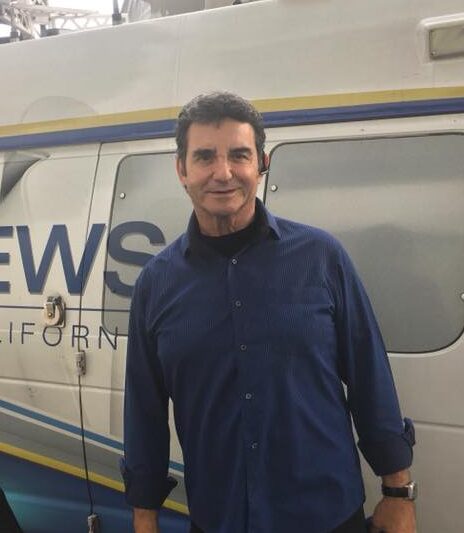
The landscape of traditional media is undergoing a profound and irreversible transformation, driven by technological advancements and shifting consumer habits. Professionals who have dedicated decades to print journalism, broadcast television, radio, and publishing now find themselves at a critical crossroads. Says Bruce Hensel, navigating career transitions in this dynamic environment requires a strategic mindset, resilience, and a willingness to adapt core competencies to emerging industry standards.
Rather than viewing these structural shifts as a decline of the profession, forward-thinking media practitioners are recognizing them as an opportunity to redefine their career trajectories. Success in today’s multi-platform ecosystem depends on an individual’s ability to leverage foundational journalistic and creative skills while embracing new digital methodologies. This article explores essential strategies for navigating career transitions within traditional media, offering a roadmap for sustainable professional growth.
Evaluating Transferable Skills
The foundation of any successful career transition lies in a comprehensive audit of existing professional competencies. Traditional media roles cultivate a unique set of high-value skills, including investigative research, compelling storytelling, rigorous fact-checking, and adherence to strict editorial standards. These abilities are exceptionally transferable to contemporary digital landscapes, corporate communications, content marketing, and public relations, where credible information and engaging narratives remain at a premium.
Furthermore, traditional media professionals often possess advanced project management capabilities, crisis communication expertise, and the capacity to synthesize complex information under tight deadlines. By reframing these traditional attributes through a modern lens, practitioners can effectively market themselves to diverse industries that demand high-level communication acumen. Recognizing the intrinsic value of one’s experience is the crucial first step in bridging the gap between legacy media and emerging sectors.
Embracing Digital Upskilling
While foundational skills provide an anchor, bridging the gap to new career opportunities necessitates a commitment to continuous learning and digital upskilling. The modern media consumer expects content that is interactive, visually driven, and optimized for multiple digital channels and devices. Professionals must actively familiarize themselves with content management systems, basic search engine optimization principles, data analytics, and digital audio or video production techniques.
Investing time in acquiring these technical competencies significantly enhances marketability and demonstrates a proactive approach to industry evolution. Numerous professional development platforms, certification programs, and specialized workshops are available to help experienced practitioners seamlessly integrate digital tools into their professional repertoires. By combining time-tested editorial judgment with modern technical proficiency, media professionals position themselves as versatile assets in any organization.
Leveraging Professional Networks
Navigating a career transition independently can be daunting, making the strategic cultivation and utilization of professional networks paramount. Many media professionals possess extensive connections built over years of interviewing sources, collaborating with colleagues, and attending industry events. Reconnecting with former peers, mentors, and industry contacts can uncover unadvertised opportunities and provide invaluable insights into adjacent sectors that are actively seeking media talent.
In addition to traditional networking, digital professional platforms offer powerful avenues for visibility and thought leadership. Sharing industry insights, commenting on emerging media trends, and participating in relevant professional groups helps maintain a strong and active personal brand. Cultivating a supportive community not only facilitates smoother career transitions but also opens doors to collaborative ventures and consultative roles.
Redefining Personal Branding
As the media industry diversifies, how professionals present their expertise must also evolve to reflect a broader scope of capabilities. A resume tailored exclusively for a legacy newspaper or a traditional broadcast network may not adequately convey adaptability to modern corporate or digital environments. Crafting a compelling personal narrative involves highlighting versatility, technological adaptability, and a proven track record of audience engagement across various mediums.
Developing a portfolio that showcases a range of projects, from long-form investigative pieces to digital content strategies, provides tangible evidence of professional capability. This updated positioning reassures prospective employers that the candidate is not only rooted in journalistic integrity but is also fully equipped to thrive in a fast-paced, innovation-driven marketplace.
Conclusion
Navigating career transitions within traditional media roles is a multifaceted endeavor that demands both introspection and strategic action. By rigorously evaluating transferable skills, committing to continuous digital upskilling, leveraging established networks, and redefining personal branding, media professionals can successfully pivot toward rewarding new horizons. The core principles of traditional media—accuracy, empathy, and compelling storytelling—remain timeless, serving as a sturdy bridge to the future of communication.
