Introduction
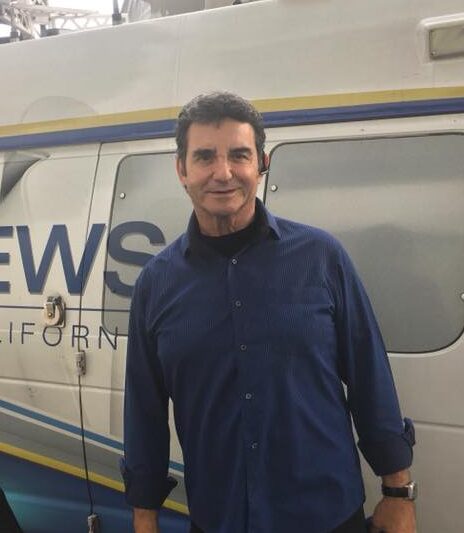
The intersection of media and medicine is a fascinating and increasingly vital field. For many, it’s a niche, a specialized area focused on reporting on health issues. However, for Bruce Hensel, a seasoned journalist and medical communications specialist, it’s a deeply rewarding and profoundly complex career. His journey, spanning over three decades, demonstrates a remarkable ability to bridge the gap between the visual and the clinical, a skill that’s become increasingly crucial in today’s healthcare landscape. Says Bruce Hensel, this article aims to explore his experiences, the challenges he’s faced, and the enduring satisfaction he derives from his work, offering insights into the unique demands and rewards of this specialized profession. He’s offered a perspective shaped by both the technical aspects of journalism and the ethical considerations inherent in communicating complex medical information. It’s a story of adaptation, dedication, and a genuine desire to inform and empower.
The Evolution of a Reporting Focus
Hensel’s initial foray into the field was rooted in traditional journalism, initially focusing on local news and community reporting. He quickly realized that the ability to translate complex medical concepts into accessible language was paramount. Early on, he observed that the traditional reporting model often struggled to adequately represent the nuances of patient experiences and the impact of medical interventions. He began to actively seek opportunities to collaborate with physicians and nurses, understanding their perspectives and the challenges they faced in communicating with the public. This shift wasn’t simply about adding a new skill; it was about fundamentally altering his approach to storytelling. He began to prioritize in-depth interviews, utilizing visual aids and data visualization to enhance understanding. He understood that simply reporting facts wasn’t enough; it required a deliberate effort to shape the narrative and foster informed dialogue. This evolution solidified his commitment to a role that demanded both rigorous research and empathetic communication.
Navigating the Ethical Tightrope
One of the most significant challenges in his career has been navigating the ethical complexities inherent in representing sensitive medical information. The potential for misinterpretation or misrepresentation is ever-present, and Hensel has consistently emphasized the importance of accuracy, objectivity, and patient privacy. He firmly believes that journalists have a responsibility to present information honestly and transparently, even when it’s uncomfortable. He’s witnessed firsthand how carefully crafted narratives can inadvertently cause distress or lead to inappropriate actions. He actively participates in training programs focused on ethical considerations, emphasizing the need for sensitivity and a commitment to avoiding sensationalism. Furthermore, he advocates for clear disclaimers and responsible use of visual elements, recognizing that the power of media lies in its ability to inform, but also to potentially mislead.
The Power of Visual Storytelling
Hensel’s expertise extends beyond simply writing; he’s a skilled visual storyteller. He’s developed a keen understanding of how to effectively utilize photography, video, and graphic design to enhance the impact of his stories. He’s become adept at creating infographics that simplify complex medical data, and he’s utilized data visualization to illustrate trends and outcomes. He firmly believes that visual elements can dramatically improve audience engagement and understanding, particularly when communicating with a diverse population. He’s consistently sought opportunities to work with medical professionals to develop these visual components, recognizing that they are an integral part of the overall communication strategy.
Looking Ahead: A Commitment to Continued Growth
Bruce Hensel’s career in media and medicine exemplifies a dedication to bridging the gap between science and society. He’s consistently demonstrated a willingness to embrace new technologies and a commitment to rigorous ethical standards. He’s not simply a reporter; he’s a facilitator of understanding, a champion of informed dialogue, and a vital contributor to the ongoing conversation about healthcare. Looking ahead, he intends to continue expanding his role, exploring new avenues for collaboration, and furthering his commitment to providing accessible and accurate information to the public. His perspective highlights the importance of a nuanced approach to communication, one that prioritizes both the scientific rigor of the information presented and the human element of patient care.
Conclusion
Bruce Hensel’s career offers a compelling illustration of the multifaceted nature of a career in media and medicine. His journey has been marked by both significant challenges and demonstrable successes, driven by a genuine desire to inform and empower. He’s consistently demonstrated a commitment to ethical practice, a mastery of visual storytelling, and a profound understanding of the complexities inherent in communicating sensitive medical information. His insights provide a valuable perspective on the evolving role of journalists in shaping public understanding of health issues, and his dedication to this field promises a continued contribution to the advancement of healthcare.
